Why Guangzhou Baiyun Airport Restaurants Are a Highlight of Your Trip to China
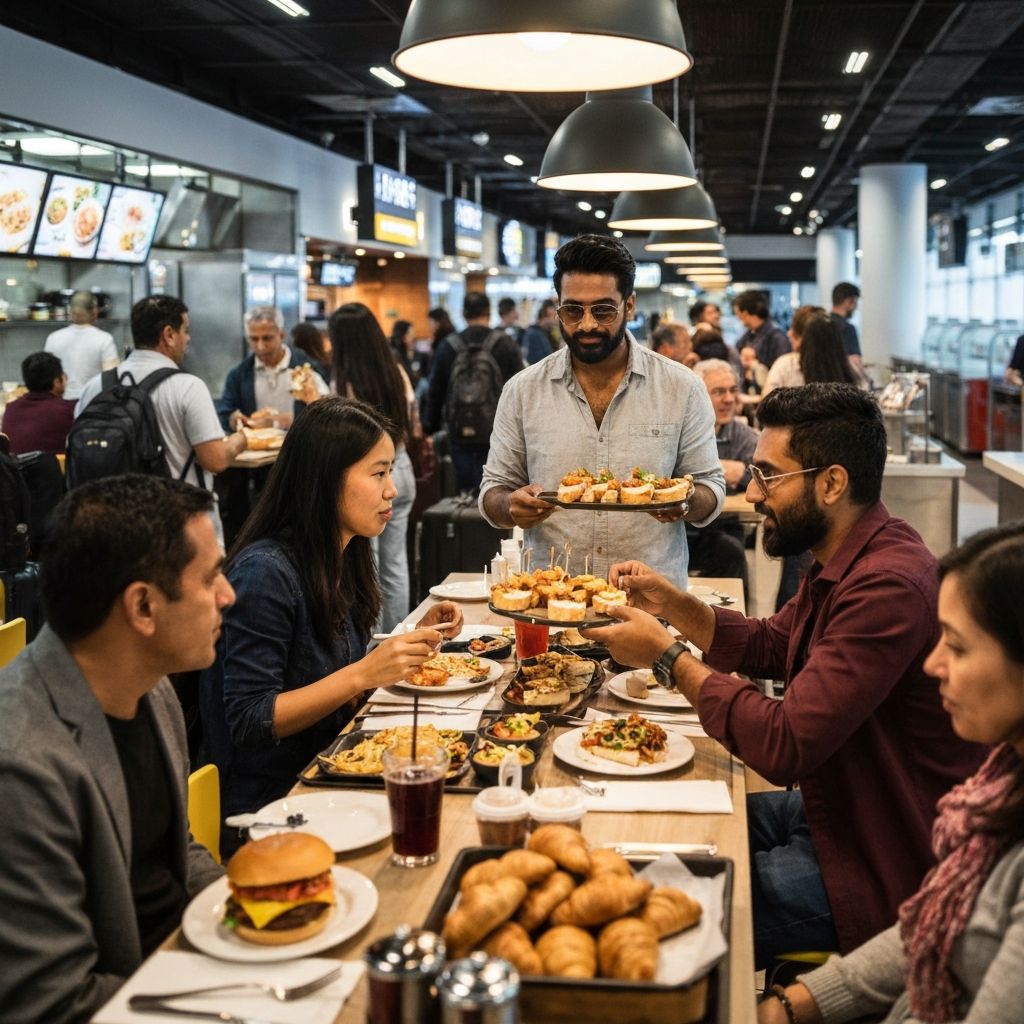
Most travelers rush through airports on auto-pilot. At Guangzhou Baiyun, the opposite happened to me—the layover became the journey's highlight, not just transition time.
The Moment Everything Changed
Walking into Terminal 2's dining area, I wasn't expecting much. The aroma hit me first—roasting meats, steaming bamboo baskets, aromatic broths layering into something indescribably complex. It was nothing like typical airport food courts.
Around me, businesspeople in tailored suits sat alongside backpackers, families, and solo travelers—all engaged in the same ritualistic focus on food. This wasn't people eating to survive transit; this was people experiencing Cantonese culinary culture during a layover.
I realized something profound: **at Guangzhou Baiyun, the airport isn't interrupting your China experience. It's crystallizing it.**
---
First Experience: Dim Sum as Culture
I chose Tao Tao Ju, drawn by the cart service model I'd only read about. A server wheeled past with bamboo baskets stacked four high. I pointed uncertainly at delicate parcels inside. She nodded, marking my bill card.
The first dumpling—har gow—arrived steaming in its bamboo container. The wrapper was so thin it was almost translucent. Lifting it with chopsticks felt ceremonial.
One bite and I understood why generations of Cantonese people have perfected this. The shrimp was plump and fresh, the wrapper simultaneously delicate and structurally perfect, the subtle brininess balanced with the wrapper's gentle sweetness.
This wasn't airport food. This was centuries of technique, passed through generations of chefs, landing on my plate during a layover.
---
The Sensory Awakening
**What I Experienced:**
*Taste:* Layer upon layer—not just "dim sum," but specific umami from mushrooms, brininess from shrimp, subtle five-spice undertones in shumai, the surprising sweetness of char siu pork.
*Aroma:* Walking through the dining corridor felt like an olfactory journey through China. Roasted meats, steaming broths, the distinct smell of hand-pulled noodles being stretched in real-time.
*Texture:* Crispy duck skin that shattered audibly, tender pork belly that dissolved on the tongue, wonton skins so delicate they seemed impossible to construct.
*Sound:* The gentle clink of chopsticks, sizzle of woks, the subtle whoosh of servers navigating carts between tables—a choreography of Cantonese dining culture.
*Sight:* Mahogany-colored roasted meats suspended on hooks, golden-brown pineapple buns with their latticed sugar tops, translucent har gow showcasing pink shrimp inside.
---
Traveler Stories: What This Meant to Others
Sarah, Business Traveler (London to Shanghai)
"I had a six-hour layover scheduled as working time. Instead, I spent 90 minutes at Tao Tao Ju eating dim sum with a retired Guangzhou chef who started talking to me about the difference between his family's 50-year-old recipe and modern versions.
I learned more about Chinese food culture in 90 minutes than months of reading could teach. That connection—that's what I'll remember about China."
Liu, Returnee (Sydney to Guangzhou)
"I grew up in Guangzhou but moved abroad at age ten. My flight got delayed, and I found myself with unexpected time. Sitting at Lok Tao eating roasted goose, something unlocked emotionally.
I remembered my grandmother bringing me to this exact restaurant 25 years ago. The menu hadn't changed. The technique hadn't changed. I was connected to my past through something as simple as perfect roasted meat.
That airport restaurant became a time machine."
Marcus & Tom, Honeymooners (Frankfurt to Beijing, via Guangzhou)
"We had three hours between flights. Our travel guide said to skip eating and rest instead. We ignored it.
Dinner at Peter Steak House with a view into the open kitchen, watching precision work on premium beef cuts, holding hands over wine pairings—we called it the best meal of our two-week trip.
A layover became a date night. That surprised us both."
---
The Profound Realization
Midway through my dim sum experience, I had a thought that shifted perspective:
**This airport isn't selling you food to get you through transit. It's inviting you to experience Cantonese culture as authentically as any downtown restaurant, just with less time pressure.**
The precision in dim sum preparation isn't for tourists. It's for people—thousands daily—who understand that eating well is part of life, even between flights.
---
What Makes Guangzhou Baiyun Different
Authenticity Without Compromise
Other airports modify cuisine for "international" palates. Guangzhou Baiyun serves it as Cantonese people eat it: - Fresh daily ingredients - Proper technique maintained - Traditional recipes honored - No shortcuts taken
Investment in Experience
Staff aren't rushing you through transactions. They're facilitating dining experiences. A server explaining why certain har gow are superior teaches culture alongside service.
Cultural Pride
Walking through these restaurants, you sense something important: Guangzhou is proud of its culinary heritage. That pride permeates every preparation, every service interaction, every detail.
This isn't an airport trying to feed people efficiently. It's a city saying: "While you're here, even briefly, experience what makes us special."
---
The Unexpected Layover Gift
Travel often follows planned itineraries. Layovers are disruptions to that plan. But at Guangzhou Baiyun, I discovered something counterintuitive:
**Layovers aren't interruptions. They're opportunities for unexpected depth.**
Most travelers spend hours in lounges or rushing to gates. A few—curious few—step into a restaurant and discover that food can be a portal to cultural understanding.
---
Planning for Layover Significance
If you're transiting through Guangzhou, here's what I wish I'd known:
For 4-Hour Layovers - Book dim sum at Tao Tao Ju immediately upon arrival - Time works if you're efficient: 20 min navigation, 60 min dining, 20 min return - This is your access point to Cantonese culture
For 6-8 Hour Layovers - Full dim sum experience - Shopping/exploration - Light dinner - Your layover becomes meaningful travel
For 8+ Hour Layovers - Multiple dining experiences - Restaurant-focused journey - Evening at premium restaurant - Your layover rivals destination time
---
The Unexpected Souvenirs
I left Guangzhou with no physical souvenirs from the airport. But I left with:
- Understanding of dim sum precision and cultural significance
- Memory of roasted goose texture and flavor that still resonates
- Connection with a chef about generational recipe knowledge
- Realization that airports can be cultural gateway experiences
- New perspective on layovers themselves
---
A Modest Proposal
What if you planned your next China trip differently? Not: "How do I minimize layover time?" But rather: "How do I use layover time to deepen understanding?"
What if the meal at Guangzhou Baiyun became as important as your destination?
What if you viewed airports not as necessary evils but as cultural crossroads where authentic experience is available for anyone curious enough to stop?
---
Final Reflection
I arrived at Guangzhou Baiyun expecting transit inconvenience. I experienced cultural invitation.
That transformation—from seeing airport dining as functional necessity to experiencing it as cultural gateway—that's the real highlight of my China trip.
The layover wasn't delay. It was gift.
---
Your Invitation
Your next layover at Guangzhou Baiyun awaits. Whether you have 2 hours or 12, take time for food. Don't just eat—*experience*.
Let roasted meats connect you to tradition. Let dim sum teach you precision. Let a meal in the airport become a memory for a lifetime.
Guangzhou is inviting you to understand its soul through cuisine. Will you accept?
For complete dining recommendations and layover planning resources, [visit our main airport guide](/), where Guangzhou Baiyun experiences await your next journey.